Painting with Confidence: The Ultimate Oil Paint Guide
Choosing Oil Paints That Blend, Last, and Inspire
Choosing the best oil paints for artists can transform a canvas from ordinary to extraordinary, giving life to colors and ensuring that artwork stands the test of time. Quality paints are not just about vibrant hues; they influence durability, consistency, and how pigments interact when layered or mixed. Understanding the difference between student and professional-grade paints is crucial, as the pigment load, filler content, and overall texture vary greatly, affecting both the final appearance and longevity of the work. Paying attention to properties like lightfastness, opacity, and tinting strength allows artists to predict how colors will behave over years, while single-pigment paints simplify mixing and produce more consistent results. With careful selection, the right oils enable artists to explore techniques confidently and achieve the impact they envision.
The range of colors available can shape the creative process, making it important to choose a palette that suits personal style and artistic goals. Some colors are more transparent or intense, while others have subtle undertones that reveal themselves as layers build. Considering the viscosity or thickness of the paint is equally important, as it determines how easily it can be applied, blended, or sculpted on the canvas. Artists benefit from experimenting with a few key colors first, learning how they interact, and gradually expanding their collection to include complementary or challenging shades. This process encourages both technical and artistic growth and a deeper understanding of how light and color function in different compositions.
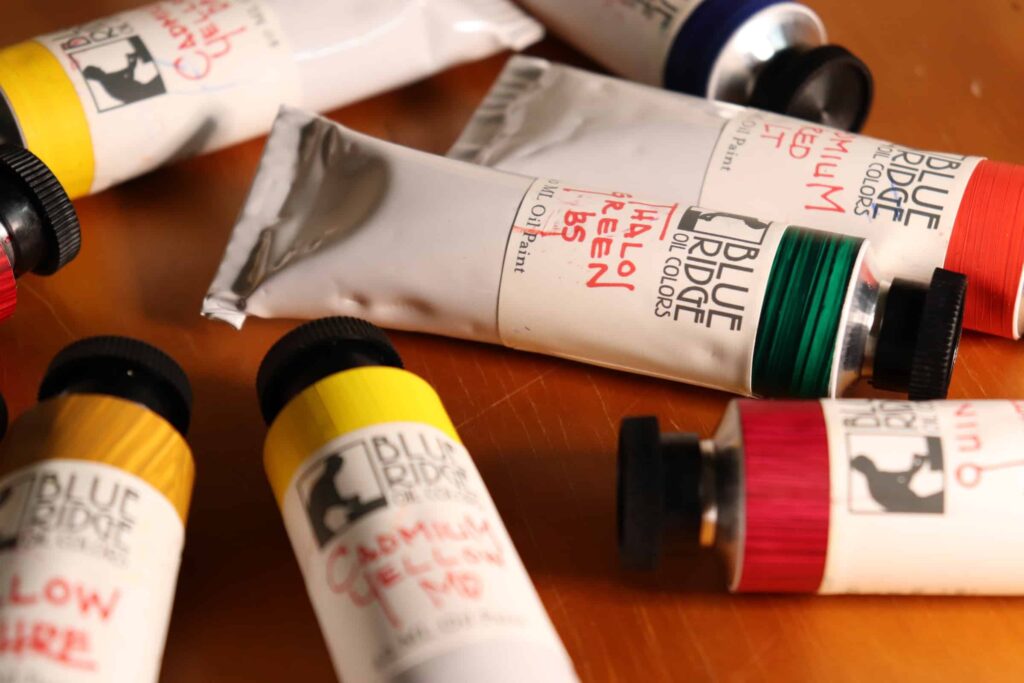
Batch numbers, which indicate the specific production of a paint, can reveal slight variations in pigment cost and quality. Tracking these details helps maintain consistency in projects, particularly when multiple tubes of the same color are used over time. Mixing colors becomes more predictable when each paint’s properties are known, and careful note-taking allows for recreating specific shades with precision. Beyond technical aspects, the experience of handling paints that respond intuitively to brushes or knives enhances the creative process, turning the act of painting into a dialogue between the artist and their materials. This connection often results in artwork that feels alive and intentional, reflecting a balance between skill and expressive freedom.
Beyond technique, the environment and tools also play a role in optimizing the use of oil paints. Proper storage preserves pigments, while brushes suited to a variety of strokes allow for experimentation with texture and layering. Palette knives and mediums can modify consistency and finish, offering additional ways to manipulate color and surface. Attention to these details ensures that each painting session remains productive and inspiring, while also safeguarding the integrity of the materials. By approaching oil painting with both strategy and creativity, artists can elevate each project from simple practice to fully realized expression, enjoying the process as much as the finished work.
Returning to the core of the journey, the best oil paints for artists are those that combine quality, versatility, and reliability, allowing for exploration without compromise. Choosing paints with strong pigments, proper lightfastness, and predictable behavior provides the confidence to experiment with new techniques and color combinations. With the right selection, every brushstroke becomes an opportunity to express vision clearly and vividly, producing works that endure both in impact and longevity. Mastery over materials, paired with an understanding of their subtleties, ensures that each piece carries both beauty and precision, proving that investing in quality paints is an investment in the artistry itself.